Instrumentation Amplifier

Instrumentation Amplifier: Enhancing the Power of Wheatstone Bridge Measurements


Introduction:

In the realm of electrical engineering and precision measurements, the combination of a Wheatstone bridge and an instrumentation amplifier forms a powerful partnership. In this blog post, we will explore the concept of an instrumentation amplifier and its synergy with the Wheatstone bridge. Understanding this combination will shed light on how it enhances the accuracy and sensitivity of measurement systems.


1. What is an Instrumentation Amplifier?

An instrumentation amplifier (in-amp) is a specialized type of differential amplifier that provides high gain, high input impedance, and excellent common-mode rejection. Its primary purpose is to amplify weak differential voltage signals while rejecting common-mode noise and interference. The in-amp's design allows it to provide precise and accurate amplification, making it suitable for use in sensitive measurement applications.

2. Enhancing Wheatstone Bridge Measurements:

When combined with the Wheatstone bridge, the instrumentation amplifier plays a crucial role in extracting and amplifying the differential voltage output of the bridge. Here's how it works:

a. Amplification: The output voltage of a Wheatstone bridge is typically in the millivolt range, which may be too weak for direct measurement or processing. The instrumentation amplifier amplifies this small differential voltage signal to a more measurable and usable level.

b. Signal Conditioning: The in-amp also helps in further conditioning the signal by providing offset adjustment, gain control, and filtering capabilities. This allows for precise calibration, customization of gain levels, and elimination of unwanted noise or interference.

c. Common-Mode Rejection: The Wheatstone bridge may be subject to common-mode noise or interference, which can affect the accuracy of the measurement. The instrumentation amplifier's inherent ability to reject common-mode signals helps in minimizing the impact of such noise and ensures accurate measurement of the differential signal.

https://www.ee-diary.com/2021/11/lm324-op-amp-instrumentation-amplifier.html


3. Key Applications:

The combination of the Wheatstone bridge and an instrumentation amplifier finds numerous applications, including:

- Strain Gauge Measurements: In applications where strain gauges are employed within a Wheatstone bridge configuration, an instrumentation amplifier is used to amplify the small strain-induced voltage changes. This allows for precise measurement of mechanical strain in structures, such as load cells, pressure sensors, and force transducers.

- Pressure and Force Sensing: When Wheatstone bridge-based pressure or force sensors are used, an instrumentation amplifier amplifies the small voltage changes resulting from the applied pressure or force. This enables accurate and reliable measurement of pressure or force levels.

- Sensor Signal Conditioning: In general, the combination of a Wheatstone bridge and an instrumentation amplifier is utilized for conditioning and amplifying various sensor outputs, including temperature sensors (thermistors, RTDs), light sensors, and resistive sensors.

https://www.uruktech.com/product/ina128-dip-precision/


Conclusion:

The integration of an instrumentation amplifier with the Wheatstone bridge significantly enhances the accuracy and sensitivity of measurements. By amplifying weak differential signals, rejecting common-mode noise, and providing signal conditioning capabilities, this combination enables precise measurement and reliable data acquisition. Whether in strain gauge applications, pressure sensing, or general sensor signal conditioning, the pairing of the Wheatstone bridge with an instrumentation amplifier empowers engineers and scientists to extract valuable information from delicate and low-level signals. It serves as a fundamental tool in measurement systems, advancing various fields and contributing to technological advancements.
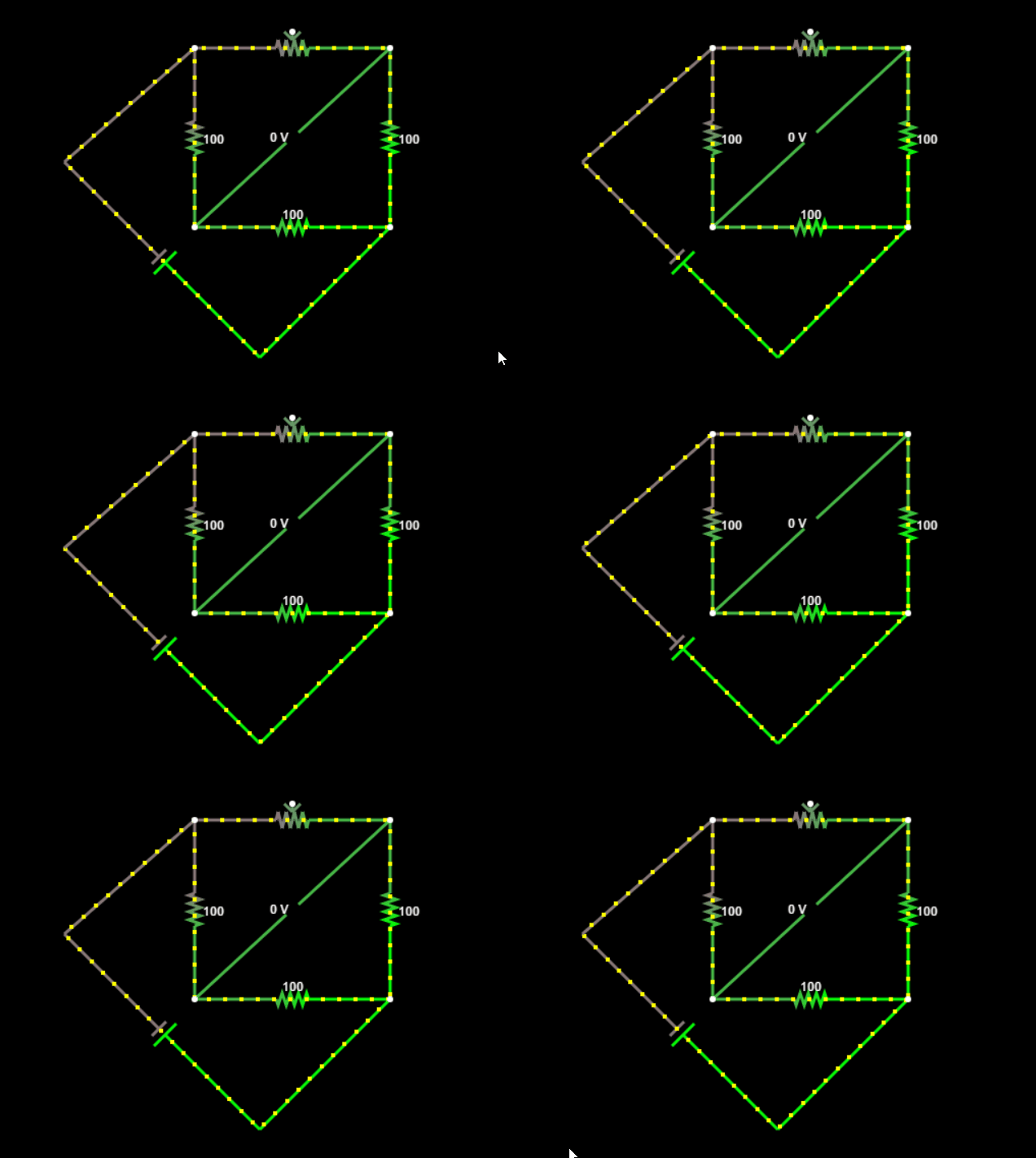
Wheatstone Bridge

Unleashing the Power of the Wheatstone Bridge

Introduction:

In the world of electrical engineering and measurement systems, signal conditioning plays a vital role in ensuring accurate and reliable data acquisition. Among the various techniques used, the Wheatstone bridge stands as a fundamental component in signal conditioning. In this blog, we will explore the functioning and diverse applications of the Wheatstone bridge, shedding light on its significance in modern measurement systems.

1. Understanding the Wheatstone Bridge:

The Wheatstone bridge is a circuit configuration that enables precise measurement of electrical resistance. It consists of four resistors arranged in a diamond shape, with an input voltage applied across the bridge. By adjusting one of the resistors, known as the variable resistor or the sensing element, the bridge can be balanced, indicating a null output voltage. The balanced state provides a reference point for accurately measuring unknown resistance or detecting changes in resistance.

2. How Does It Work?

The Wheatstone bridge operates based on the principle of comparing the unknown resistance with a known resistance. When the bridge is balanced, the voltage difference between the two output terminals is zero, indicating that the resistance being measured is equal to the known resistance. Any change in the resistance being measured will cause an imbalance in the bridge, resulting in a non-zero output voltage proportional to the change. This voltage can be further processed and utilized for measurement or control purposes.

https://bruunsgarage.dk/flowbaenk-del-4-naesten-klar/2016-11-24_10-05-54/


3. Applications of the Wheatstone Bridge:

The Wheatstone bridge finds extensive application in various fields, including:

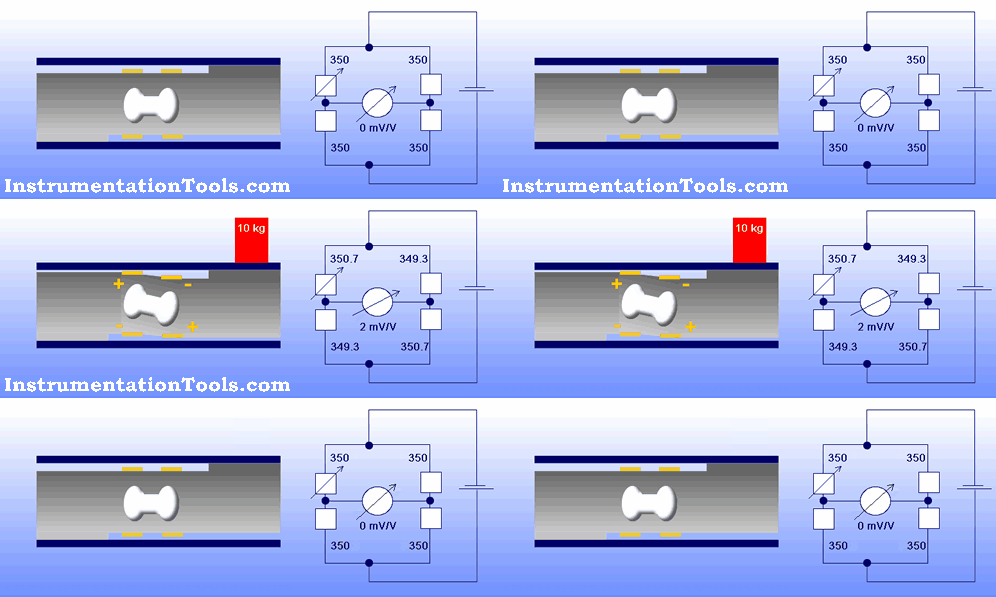
- Strain Measurement: By incorporating strain gauges as the sensing element, the Wheatstone bridge becomes a powerful tool for measuring mechanical strain in structures, such as load cells, pressure sensors, and force transducers. The strain-induced resistance changes in the gauges cause bridge imbalance, allowing precise strain measurements.

- Temperature Sensing: Temperature-dependent resistors, such as thermistors and resistance temperature detectors (RTDs), can be used in a Wheatstone bridge to measure temperature variations accurately. The bridge output reflects the temperature changes based on the resistance-temperature characteristics of the sensing element.

- Sensor Calibration: The Wheatstone bridge provides a means to calibrate sensors by precisely adjusting the known resistance to match the sensor's output. This calibration technique ensures accurate measurements and enhances the reliability of sensor readings.

- Resistance Measurement: The Wheatstone bridge is widely employed to measure unknown resistance values by comparing them with known reference resistances. This method is utilized in applications such as resistance measurement of electrical components, strain gauge calibration, and material characterization.

https://instrumentationtools.com/load-cell-working-principle/


Conclusion:

Signal conditioning, facilitated by the Wheatstone bridge, revolutionizes the world of measurement systems. By providing a means to accurately measure resistance and detect changes, the Wheatstone bridge finds applications in strain measurement, temperature sensing, sensor calibration, and resistance measurement. Its versatility and precision make it a valuable tool in electrical engineering, allowing us to acquire reliable data, calibrate sensors, and understand the behavior of various physical phenomena. The Wheatstone bridge stands as a cornerstone in signal conditioning, empowering us to unlock the potential of precise measurements and pave the way for technological advancements.

Exploring Industrial, Legal, and Scientific Metrology

Exploring Industrial, Legal, and Scientific Metrology: Understanding the Different Types


Introduction:

In the realm of metrology, various branches cater to specific applications and requirements. In this article, we will explore the three main types of metrology: industrial metrology, legal metrology, and scientific metrology. By understanding their unique characteristics and purposes, we can appreciate the diverse ways in which metrology impacts different sectors.

https://metrologyasiapacific.com/about-metrology/what-is-metrology/


1. Industrial Metrology:

Industrial metrology focuses on measurements and standards within manufacturing and industrial processes. Its primary goal is to ensure that products meet specific quality standards and comply with regulatory requirements. Industrial metrology involves precise measurement techniques, equipment calibration, and dimensional verification to maintain product consistency, optimize production processes, and enhance overall quality control.

2. Legal Metrology:

Legal metrology is concerned with measurements that have legal and regulatory implications. It establishes and enforces standards to ensure fairness, accuracy, and consumer protection in commercial transactions. Legal metrology covers areas such as trade, taxation, health and safety regulations, and public utilities. It involves the verification and calibration of weighing scales, meters, fuel dispensers, and other measuring instruments used in commercial settings to guarantee accurate measurements and prevent fraud.

https://www.ipandlegalfilings.com/an-overview-of-the-legal-metrology-act-2009-in-light-of-the-latest-developments/


3. Scientific Metrology:

Scientific metrology is the foundation of all metrological disciplines. It focuses on the development, maintenance, and dissemination of measurement standards and practices. Scientific metrology aims to achieve the highest levels of accuracy and precision in measurements through rigorous research, experimentation, and international collaboration. It plays a fundamental role in advancing scientific knowledge, supporting technological advancements, and ensuring traceability and comparability across different fields and laboratories.

4. Interactions and Overlaps:

While industrial, legal, and scientific metrology have distinct focuses, there are areas of overlap and interaction among them. For instance, scientific metrology provides the scientific basis and reference standards used in both industrial and legal metrology. Industrial metrology often aligns with legal requirements to ensure compliance with regulations. Legal metrology relies on the scientific principles and practices established by scientific metrology to ensure accurate measurements in commercial transactions.


Conclusion:

Industrial, legal, and scientific metrology each serve unique purposes and play crucial roles in their respective domains. Industrial metrology supports quality control and optimization of manufacturing processes. Legal metrology safeguards fair trade and consumer protection. Scientific metrology establishes measurement standards and ensures accuracy across various scientific disciplines. By recognizing the distinctions and interconnections among these types of metrology, we gain a comprehensive understanding of how precise measurements impact industrial practices, legal frameworks, and scientific advancements.

Metrology in Everyday Life and Our Involvement

Metrology in Everyday Life and Our Involvement

Metrology isn't just an abstract concept limited to laboratories and scientific institutions. It is deeply intertwined with our everyday lives, shaping our experiences and ensuring reliability in various aspects. Let's explore how metrology impacts us and how we are involved in this fascinating field.

https://basepltda.com/productos-categorias-balanzas-metrologia/


1. Consumer Products:

Have you ever wondered how accurate the weight of your favorite snack is? Metrology plays a vital role in ensuring the precision of packaged goods. From the weight of your cereal box to the volume of your shampoo bottle, metrology guarantees that you get what you pay for. It helps maintain fairness in trade by establishing standards for measurement in commercial transactions.

2. Healthcare:

In the realm of healthcare, metrology is essential for accurate diagnosis, treatment, and patient safety. From blood pressure monitors to laboratory equipment, precise measurements are crucial for medical professionals to make informed decisions. Metrology ensures that medical devices are calibrated correctly and deliver accurate results, enabling effective healthcare delivery.

3. Environmental Monitoring:

Monitoring and understanding our environment is vital for maintaining sustainability and addressing climate change. Metrology plays a critical role in measuring and analyzing environmental factors such as air quality, water pollution, and greenhouse gas emissions. These measurements provide valuable data for scientific research and policymaking to preserve our planet.

4. Personal Fitness and Well-being:

In the era of wearable technology and fitness tracking devices, metrology is the backbone of accurate measurements. Whether it's tracking your steps, heart rate, or sleep patterns, metrology ensures that the data provided by these devices is reliable and consistent. It empowers individuals to make informed decisions about their health and well-being.

5. History of Metrology:

The history of metrology is as old as civilization itself. Ancient civilizations developed their own measurement systems, such as the Egyptian cubit or the Roman foot. The standardization of measurements became crucial for trade, architecture, and engineering. Over time, metrology evolved and became more precise, with the establishment of internationally recognized measurement units.

http://www.cafipem.com.ar/historia-de-la-metrologia-2/


6. International Metrology Organizations:

To ensure global consistency and traceability in measurements, international metrology organizations, such as the International Bureau of Weights and Measures (BIPM), have been established. These organizations promote collaboration, establish measurement standards, and ensure the uniformity of measurement units worldwide. They play a crucial role in advancing metrology and its applications.


Conclusion:

As we go about our daily lives, we often take for granted the role metrology plays in ensuring accuracy, fairness, and reliability. From the products we purchase to the healthcare services we receive, metrology impacts us in ways we may not always realize. By understanding our involvement in metrology and its fascinating history, we can appreciate the importance of precise measurements in shaping our world and improving our quality of life. So, let's embrace metrology and its impact on our everyday experiences!

Metrology

 Discover the World of Metrology: Where Precision Meets Fun!


Introduction:

Welcome to the exciting realm of metrology, where accuracy and fun come together! In this blog, we will embark on a journey to unravel the wonders of metrology, understanding what it is and why it holds tremendous importance. Get ready to explore the fascinating world of measurements and discover how they shape our daily lives.

https://nanova.org/metrologia-industrial/


1. What is Metrology?

Metrology is not just a tongue-twister; it's the science of measurement! It involves the study, development, and application of precise measurement techniques. From tiny nanoparticles to colossal structures, metrology ensures that everything is accurately quantified, leading to reliable and consistent results.


2. Measurement: Beyond Numbers

Think measurements are mundane? Think again! Metrology brings a dash of excitement by revealing the intriguing stories behind the numbers. We'll dive into the historical milestones that have shaped metrology, from ancient civilizations to cutting-edge technologies. Prepare to be amazed by the diverse range of measurement methods employed in different fields, from physics to art restoration.


3. Why Metrology Matters:

Measurements are the backbone of modern society, and metrology plays a pivotal role in ensuring their quality. Discover how metrology impacts various sectors, including manufacturing, healthcare, environmental monitoring, and even international trade. We'll explore the significance of standardized measurements, traceability, and the role of metrology in maintaining fairness and accuracy.


4. Fun Facts: Quirky Measurements:

Did you know that the speed of light can be measured using chocolate? Or that there's a unit of measurement called a smoot? Prepare to be entertained with fascinating and offbeat facts about measurements that will leave you both enlightened and amused. Let's embrace the lighter side of metrology!

https://belmanmarisolrec.blogspot.com/2019/01/historia-de-la-metrologia.html


5. Metrology in Everyday Life:

Metrology isn't confined to labs and research centers; it surrounds us in our daily routines! From measuring ingredients in a recipe to calibrating our fitness trackers, we encounter metrology in countless ways. We'll explore practical examples where metrology impacts our lives, highlighting its importance in ensuring product quality, safety, and fairness.


Conclusion:

Metrology may seem like a complex subject, but it's an indispensable part of our world. By delving into the captivating universe of measurements, we've discovered how metrology brings precision and reliability to various aspects of our lives. So, the next time you encounter a ruler, a scale, or any other measuring tool, remember the intriguing world of metrology behind it. Join us on this exciting journey, where numbers meet excitement, and accuracy meets fun!


https://www.shutterstock.com/es/search/metrolog%C3%ADa


Static characteristics

Static characteristics in instrumentation refer to the performance of a measurement system when the input signal is constant or varies slowly over time. These characteristics describe the ability of the measurement system to accurately and reliably measure the steady-state value of the input signal.

The staticcharacteristics of a measurement system typically include the following:

Range:The minimum and maximum values of the input signal that the measurement system can accurately measure.

Accuracy: The degree to which the measurement system can measure the input signal accurately.

Precision: The ability of the measurement system to produce repeatable measurements of the input signal.

Linearity: The ability of the measurement system to produce a linear output in response to a linear input.

Sensitivity: The amount by which the output signal of a measurement system changes in response to a change in the input signal.

Drift: The gradual change in the output signal of a measurement system over time, even when the input signal remains constant. This can be caused by changes in temperature, aging of components, or other factors..

Deadband: The range of input signals over which the output signal of a measurement system does not change, even though the input signal is changing. This can occur in systems where there is a delay or lag between the input and output signals.

Hysteresis: The difference in output signal between increasing and decreasing input signals of the same magnitude. This can occur in systems where there is a delay or lag in the response to the input signal.

Threshold: The minimum input signal level required to produce a detectable output signal in a measurement system. This is important in systems where the input signal is weak or noisy.

Drift rate: The rate at which the output signal of a measurement system changes over time, even when the input signal remains constant. This is important in systems where the output signal needs to be stable over long periods of time.

Repeatability: The ability of a measurement system to produce the same output signal for the same input signal over multiple measurements. This is important for ensuring the reliability and consistency of the measurement system.

Bias: The difference between the expected value of the output signal and the true value of the input signal. This can be caused by a variety of factors, such as calibration errors or non-linearity in the system response.

These characteristics are important in different ways, depending on the application and the requirements of the measurement system. Instrumentation engineers need to consider these characteristics when designing and selecting measurement systems to ensure that they meet the requirements of the application and provide accurate and reliable measurements. The static characteristics of a measurement system are important in many applications, especially in those where the input signal is constant or changes slowly over time. These characteristics are critical in applications where accurate and reliable measurements are essential, such as in medical devices, automotive systems, and scientific instruments.

In summary, the static characteristics of a measurement system are essential in instrumentation as they describe the ability of the measurement system to accurately and reliably measure the steady-state value of the input signal. Instrumentation engineers need to consider these characteristics when designing and selecting measurement systems to ensure that they provide accurate and reliable measurements in the intended application.

Dynamic characteristics

Dynamic characteristics in instrumentation refer to the performance of a measurement system in response to changes in the input signal. These characteristics describe how quickly and accurately the measurement system can respond to changes in the input signal and how well it can capture and measure the dynamic behavior of the system being measured.


The dynamic characteristics of a measurement system typically include the following:

Rise time: The time taken by the measurement system to respond to changes in the input signal and reach a stable measurement.

Overshoot: The amount by which the measurement system exceeds the desired measurement value before settling down to the steady-state measurement.

Settling time: The time taken by the measurement system to settle down to the steady-state measurement after the input signal has changed.

Bandwidth: The range of frequencies over which the measurement system can accurately measure the input signal.

Accuracy: The degree to which the measurement system can measure the input signal accurately.

Linearity: The ability of the measurement system to produce a linear output in response to a linear input.

Sensitivity: The amount by which the output signal of a measurement system changes in response to a change in the input signal. High sensitivity means that the measurement system can detect small changes in the input signal.

Repeatability: The ability of a measurement system to produce the same output signal for the same input signal over multiple measurements. This is important for ensuring the reliability and consistency of the measurement system.

Resolution: The smallest change in the input signal that the measurement system can detect and measure accurately. High resolution means that the measurement system can detect small changes in the input signal.

Stability: The ability of a measurement system to maintain its accuracy and performance over time. Stability is important for ensuring the reliability and consistency of the measurement system over long periods of time.

Response time: The time taken by a measurement system to reach a steady-state measurement after a change in the input signal. Short response time is important for applications where the input signal may change rapidly.

The dynamic characteristics of a measurement system are important in many applications, especially in those where the input signal is changing rapidly, or the measurement system needs to capture the transient behavior of the system being measured. These characteristics are also critical in control applications, where the measurement system needs to respond quickly and accurately to changes in the input signal to maintain the desired output.


In summary, the dynamic characteristics of a measurement system are essential in instrumentation as they describe how the measurement system responds to changes in the input signal and how well it can capture and measure the dynamic behavior of the system being measured.These characteristics are important in different ways, depending on the application and the requirements of the measurement system. Instrumentation engineers need to consider these characteristics when designing and selecting measurement systems to ensure that they meet the requirements of the application and provide accurate and reliable measurements.

International System of Units


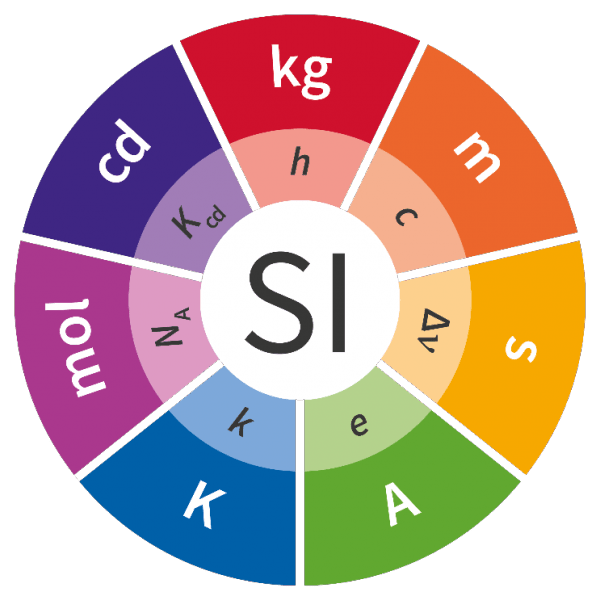
The International System of Units, also known as the SI system, is the internationally recognized standard system for measuring physical quantities. It is based on seven fundamental units, which are used to derive all other units of measurement. The seven fundamental units are:

Meter (m): The unit of length, defined as the distance traveled by light in a vacuum during a specific fraction of a second.

Kilogram (kg): The unit of mass, defined as the mass of a specific platinum-iridium alloy cylinder kept at the International Bureau of Weights and Measures in France.


Second (s): The unit of time, defined as the duration of 9,192,631,770 periods of the radiation corresponding to the transition between two hyperfine levels of the ground state of the cesium-133 atom.


Ampere (A): The unit of electric current, defined as the constant current that, if maintained in two parallel conductors of infinite length, of negligible circular cross-section, and placed one meter apart in vacuum, would produce between these conductors a force equal to 2 x 10^-7 newton per meter of length.


Kelvin (K): The unit of thermodynamic temperature, defined as the fraction 1/273.16 of the thermodynamic temperature of the triple point of water.


Mole (mol): The unit of amount of substance, defined as the amount of substance that contains as many elementary entities as there are atoms in 0.012 kilograms of carbon-12.


Candela (cd): The unit of luminous intensity, defined as the luminous intensity, in a given direction, of a source that emits monochromatic radiation of frequency 540 x 10^12 hertz and that has a radiant intensity in that direction of 1/683 watt per steradian.


The SI system also includes derived units, which are formed by combining the fundamental units using mathematical operations. For example, the unit of velocity is meters per second (m/s), which is derived from the fundamental units of length and time.

The SI system is used in many fields of science and engineering, including physics, chemistry, biology, and electronics. It provides a common standard for measuring physical quantities, which facilitates communication and comparison of data between different regions and disciplines.

The importance of signal conditioning

Signal conditioning is a crucial aspect of instrumentation as it prepares the raw signal from the sensor or transducer for measurement, processing, and analysis. Signal conditioning includes a set of processes and techniques that modify the raw signal to remove any noise, amplify the signal, and make it compatible with the data acquisition and control systems.

The importance of signal conditioning in instrumentation can be summarized as follows:

Noise reduction: The raw signal from a sensor or transducer can contain unwanted electrical noise that can interfere with accurate measurement. Signal conditioning techniques such as filtering, shielding, and grounding can effectively reduce the noise and improve the signal-to-noise ratio.

Amplification: The signal from a sensor or transducer may be too weak to be accurately measured or processed. Signal conditioning techniques such as amplification can increase the strength of the signal and improve its accuracy.

Compatibility: The raw signal from a sensor or transducer may not be compatible with the data acquisition and control systems used in the instrumentation. Signal conditioning can transform the signal to match the input requirements of the data acquisition and control systems, allowing for accurate measurement and control.

Calibration: Signal conditioning can also be used to calibrate the sensor or transducer and ensure that the measurement system is accurate and reliable.

In summary, signal conditioning plays a critical role in ensuring the accuracy, reliability, and compatibility of the measurement system in instrumentation. It prepares the raw signal from the sensor or transducer for measurement and analysis, removes unwanted noise, and improves the signal strength and compatibility with the data acquisition and control systems.


Measurement systems

In the context of instrumentation, measurement systems refer to the set of instruments, devices, and methods used to quantify physical quantities and measure them accurately. Measurement systems in instrumentation typically involve the following components:

Sensor or transducer: A device that converts the physical quantity being measured into an electrical signal that can be measured and processed by other instruments.

Signal conditioning circuitry: A set of circuits and components that amplify, filter, and process the electrical signal from the sensor or transducer to make it suitable for measurement.

Data acquisition system: A system that samples, digitizes, and stores the processed electrical signal from the signal conditioning circuitry.

Display and recording devices: Devices such as meters, oscilloscopes, and recorders that display or record the measured physical quantity.

Calibration and reference standards: A set of standards and procedures used to ensure the accuracy and reliability of the measurement system.


Measurement systems in instrumentation can be designed to measure a wide range of physical quantities, including temperature, pressure, flow, level, position, displacement, vibration, and many others. The selection of the appropriate measurement system depends on the specific application and the required level of accuracy and precision.


Physical quantities and units

Physical quantities are properties or attributes of a physical system that can be measured or quantified. Examples of physical quantities include length, mass, time, temperature, electric current, and luminous intensity, among others. Physical quantities can be classified as scalar quantities, which have only magnitude, or vector quantities, which have both magnitude and direction.

mechanical quantities

Mechanical quantities are physical quantities that relate to the behavior and motion of mechanical systems. Mechanical quantities can be classified as scalar or vector quantities, depending on whether they have only magnitude or both magnitude and direction.

thermal quantities

Thermal magnitudes are physical quantities that relate to the behavior of thermal systems, which include systems that involve heat transfer, thermodynamics, and thermal energy. 

magnetic quantities

Magnetic quantities are physical quantities that relate to the behavior of magnetic fields and their interactions with magnetic materials.

electrical quantities

Electrical quantities are physical quantities that relate to the behavior and properties of electrical systems and circuits.

optical quantities

Optical quantities are physical quantities that relate to the behavior and properties of light and its interactions with matter. 

chemical quantities

Chemical quantities are physical quantities that relate to the behavior and properties of chemical substances and reactions. 

Units, on the other hand, are standardized measures used to express the magnitude of physical quantities. Units enable scientists, engineers, and other users to communicate physical measurements in a standardized and unambiguous way. The International System of Units (SI) is the standard system of units used in most countries around the world. The SI defines seven base units, from which all other units are derived:

Meter (m) for length

Kilogram (kg) for mass

Second (s) for time

Ampere (A) for electric current

Kelvin (K) for temperature

Mole (mol) for amount of substance

Candela (cd) for luminous intensity

In addition to the base units, there are many derived units that are used to express combinations of base units. For example, the unit of speed is meters per second (m/s), which is a combination of the base units of length and time. The unit of power is watts (W), which is a combination of the base units of energy and time. Overall, physical quantities and units are essential concepts in science, engineering, and many other fields. By using standardized units to express physical measurements, we can communicate and compare measurements made by different people using different instruments, and make meaningful predictions and analyses based on these measurements.


Variables and signals

 In the context of engineering and technology, variables and signals are two related concepts that are used to describe the behavior of physical systems.

A variable is a quantity or property of a physical system that can take on different values or states. Examples of variables include temperature, pressure, flow rate, voltage, and current. Variables can be measured using sensors or measurement tools, and their values can be manipulated or controlled using control systems or feedback loops... 

A signal, on the other hand, is a time-varying quantity that represents the behavior of a physical system over time. Signals can be used to represent variables, as well as other properties of a system, such as its frequency content or spatial distribution. Signals can be measured using sensors or measurement tools, and they can be processed or analyzed using signal processing techniques. Signals and variables are related in that a signal can be used to represent the behavior of a variable over time. For example, a temperature sensor might produce a signal that varies over time, with the amplitude of the signal corresponding to the temperature at a particular moment in time. Similarly, a voltage signal might represent the voltage across a circuit element over time.

In engineering and technology, the analysis and manipulation of signals and variables are essential for understanding and controlling physical systems. Signals can be used to diagnose problems, optimize performance, or provide feedback for control systems. Variables can be used to define system behavior and specify requirements for system design and operation. Overall, signals and variables provide a powerful set of tools for understanding and controlling the behavior of physical systems.

what mean the variables and signals in electronic instrumentation?

In electronic instrumentation, variables and signals refer to the quantities and waveforms that are measured and processed by electronic instruments.

Variables in electronic instrumentation refer to physical quantities such as voltage, current, resistance, temperature, pressure, and flow rate, among others. These variables are measured using sensors or transducers that convert physical properties into electrical signals that can be processed and analyzed by electronic instruments. Signals in electronic instrumentation refer to electrical waveforms that represent the behavior of electronic circuits or systems. These signals can be generated by electronic instruments or measured using sensors or probes. Electronic signals can take many different forms, including analog signals, digital signals, and mixed signals.

In electronic instrumentation, signals are often processed and analyzed using signal processing techniques, such as filtering, amplification, modulation, demodulation, and waveform analysis. These techniques can be used to extract information from the signals, remove unwanted noise, or prepare the signals for further processing or analysis. Overall, in electronic instrumentation, variables and signals are the fundamental quantities and waveforms that are measured and analyzed to obtain information about physical systems. By measuring and analyzing these quantities and waveforms, electronic instruments can provide valuable insights into the behavior of electronic circuits and systems, and help to improve their performance and reliability.


Measurement tools

 Measurement tools are devices or instruments used to quantify or determine the physical properties of an object or system. These tools are used to obtain data about various parameters such as length, mass, temperature, pressure, electrical properties, and other physical quantities.


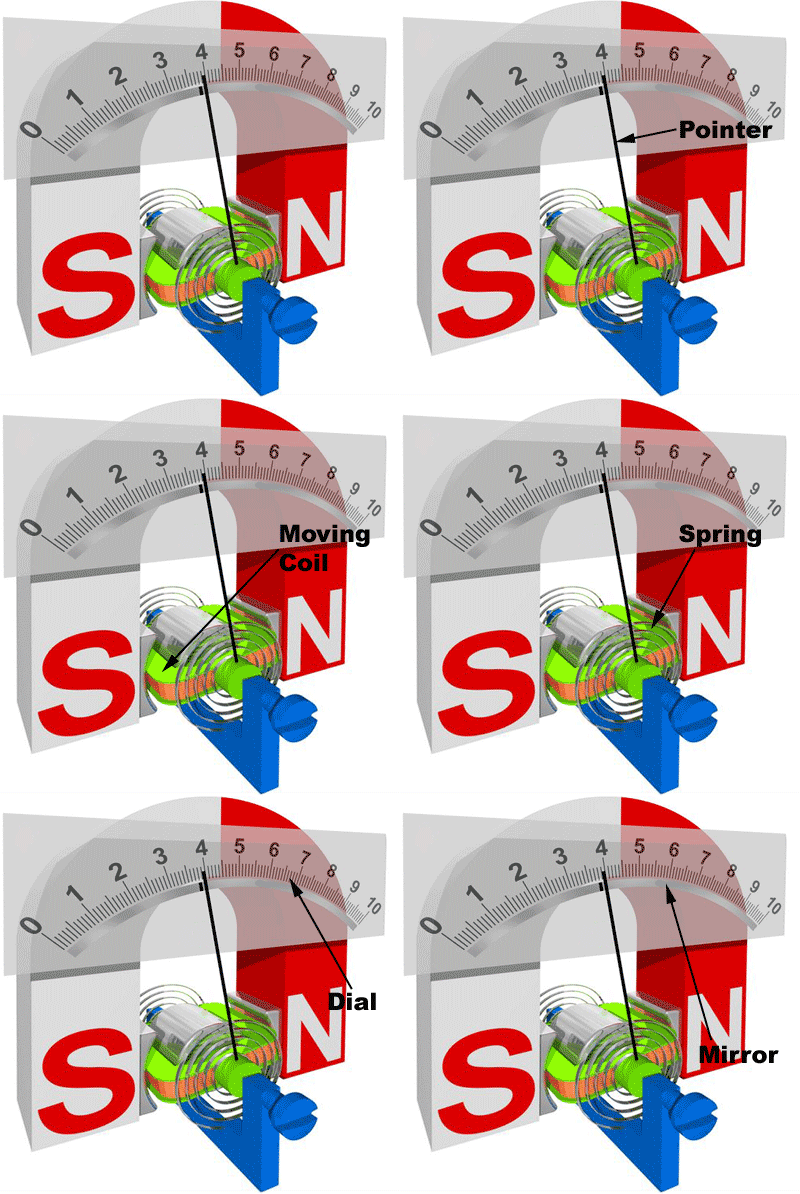
Measurement tools may be analog or digital, depending on the type of data they are designed to measure. Analog tools typically rely on physical properties, such as the position of a needle on a gauge or the expansion of a liquid in a thermometer, to provide a reading. Digital tools, on the other hand, convert physical properties into digital signals, which are then displayed on a screen or readout.

These are used in many different fields, including engineering, science, medicine, and manufacturing. Accurate and precise measurement is critical in these fields to ensure that products or systems meet the required specifications and to identify any problems or defects that may arise during production or operation. Overall, measurement tools are an important part of many industries and applications, providing valuable data that is used for decision-making, quality control, and safety. The selection and use of appropriate measurement tools, as well as the proper calibration and maintenance of these tools, are essential for ensuring accurate and reliable data.


What is instrumentation?

 Instrumentation refers to the design, development, and use of instruments, devices, and systems for measuring, monitoring, and controlling various parameters and variables in a given process or system. In the context of engineering and technology, instrumentation refers to the tools and techniques used to obtain data about physical systems, and to use that data to control or optimize the systems. Instrumentation can involve physical measurement devices like sensors, as well as software tools for data processing, analysis, and visualization.


The scope of instrumentation is quite broad and can encompass a variety of fields and applications. For example, in the field of mechanical engineering, instrumentation may be used to monitor the temperature, pressure, and flow rate of fluids in a machine or manufacturing process. In chemical engineering, instrumentation may be used to monitor chemical reactions and optimize the production process. In electronics, instrumentation may be used to measure the electrical properties of components or circuits... Overall, instrumentation is an essential part of modern technology and engineering, providing engineers and scientists with the tools necessary to measure, monitor, and control physical systems and processes with a high degree of precision and accuracy.


Fist steps of Electronic instrumentation

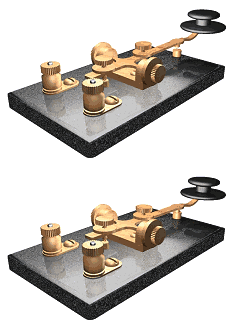
 Electronic instrumentation has its roots in the development of the telegraph in the early 19th century. The telegraph was the first practical means of electrical communication over long distances, and it relied on the precise measurement of electrical signals to transmit messages. As electrical technology advanced, so did instrumentation. The first electrical measuring instrument was the galvanometer, which was developed in the 1820s. This device measured electric current by detecting the magnetic field created by the current flow. In the late 19th century, the development of the telephone and the electric power system led to the creation of new instrumentation devices. These included devices like the voltmeter, ammeter, and wattmeter, which allowed for the measurement of voltage, current, and power in electrical circuits.

During the 20th century, the development of electronic technology led to the creation of new types of instrumentation, such as the oscilloscope, which allowed for the visualization of electrical signals in time-domain displays. Other innovations included the development of digital signal processing, which enabled the creation of digital signal analyzers and other advanced measurement devices.Throughout the latter half of the 20th century and into the 21st century, electronic instrumentation continued to evolve and become increasingly sophisticated. Some notable advancements include:


• Computer-based instrumentation: The development of personal computers and microprocessors in the 1970s and 1980s led to the creation of computer-based instrumentation systems. These systems allowed for more precise and accurate measurements, as well as the ability to store and analyze data over time.

• Digital Signal Processing: The rise of digital signal processing in the 1980s and 1990s led to the development of more advanced measurement devices, including digital oscilloscopes and spectrum analyzers. These devices allowed for more precise measurements and provided a greater level of detail and analysis than previous analog instruments.

• Wireless commnication: The development of wireless communication technologies in the 1990s and 2000s allowed for the creation of wireless sensors and measurement devices. These devices could transmit data wirelessly, allowing for remote monitoring and control of industrial processes and systems.

• Internet of Things (IoT): The Internet of Things refers to the interconnected network of physical devices, vehicles, buildings, and other objects that are embedded with sensors, software, and network connectivity. IoT technology has enabled the creation of smart buildings, cities, and industrial systems, which can monitor and control themselves automatically.

• Artificial intelligence (AI): The rise of artificial intelligence in the 21st century has enabled the creation of more intelligent instrumentation systems. AI-powered systems can analyze vast amounts of data and make decisions based on that data, allowing for more efficient and effective control of complex systems.

Overall, electronic instrumentation has come a long way since its early days, and it continues to evolve and advance with new technologies and applications. Today, it plays a crucial role in many industries, from healthcare to manufacturing to aerospace, and is essential for ensuring the safety, reliability, and performance of modern electronic systems. Today, electronic instrumentation is a crucial part of many industries, including manufacturing, aerospace, telecommunications, and healthcare. The field continues to evolve, with new technologies such as the Internet of Things (IoT) and artificial intelligence (AI) being used to develop more advanced and sophisticated measurement and monitoring systems.

as engineers and users of technology: Why is important the concept of instrumentation in electronic?

Instrumentation is important in electronics because it allows engineers and users to measure and monitor various parameters and variables within a system. This information can be used to optimize the system's performance, ensure its safety, and diagnose problems when they arise.

For example, in a manufacturing plant, instrumentation may be used to monitor the temperature, pressure, and flow rate of various fluids within the production line. This information can be used to adjust the system's settings to ensure the products are manufactured to the required specifications and to identify any problems that may arise during the production process.


In electronics, instrumentation is also used to test and diagnose electronic components and circuits. For instance, engineers may use an oscilloscope to measure the voltage and current in a circuit, or a multimeter to measure the resistance, capacitance, and other electrical properties of components.

Furthermore, instrumentation is crucial in maintaining the safety and reliability of electronic systems. In aerospace and automotive industries, instrumentation is used to monitor critical parameters like temperature, pressure, and acceleration, which can be used to prevent system failures or accidents.

Overall, instrumentation is an essential concept in electronics, providing engineers and users with the tools necessary to optimize performance, diagnose problems, and ensure the safety and reliability of electronic systems.

Instrumentation Amplifier

Instrumentation Amplifier: Enhancing the Power of Wheatstone Bridge Measurements Introduction: In the realm of electrical engineering and pr...